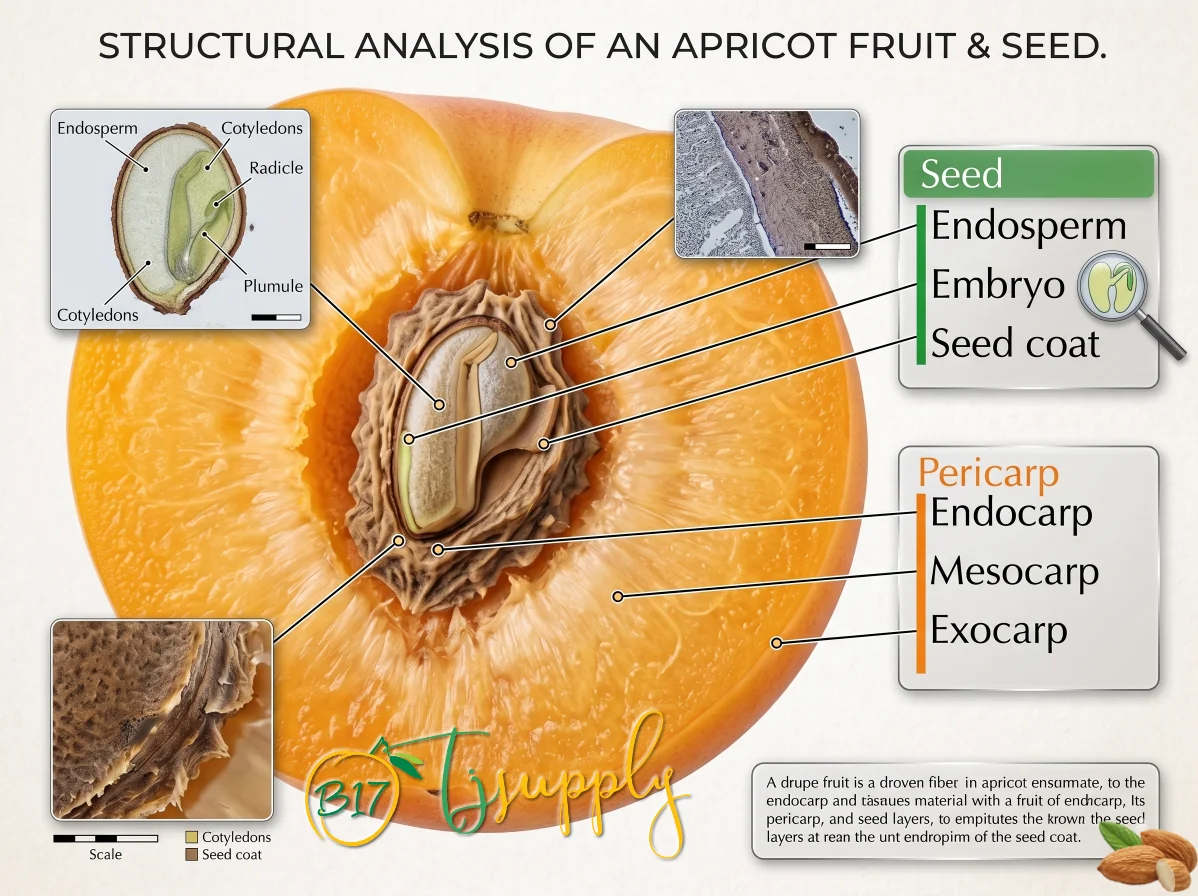
We have discussed in other articles how important it is to pair a healthy lifestyle — exercise and wholesome foods — with natural supplements that will optimize our health and energy. Vitamin B17, also known as Amygdalin, is naturally extracted from the seeds of apricots to create a fine white powder that is then consumed through tablets or capsules. By itself it offers potential antioxidant properties, immune support, pain relief, and blood pressure benefits.
Coupling Amygdalin with Zinc may increase its absorption and transportation throughout the body. Recent studies suggest that zinc is the primary transportation mechanism of Vitamin B17, and that the potency of Amygdalin supplementation increases with the addition of zinc.
"Recent studies suggest zinc is the transportation mechanism of Vitamin B17 in the body — the potency of Amygdalin treatment increases with the addition of zinc."
Why Is Zinc Important?
Zinc was recognized as a crucial mineral in the 1960s and has since proved essential for overall health and immune function. Approximately 17.3% of the world population is at risk of zinc deficiency — an estimated two billion people. In developing countries zinc deficiency is the 5th leading cause of lost life-years; in developed countries it is observed primarily in the elderly, with roughly 30% of older adults affected.
Zinc deficiency affects skin, bones, and the digestive, reproductive, central nervous, and immune systems. Many age-related diseases — including Rheumatoid Arthritis, diabetes, and impaired cognitive function — have been linked to zinc deficiency. People with insufficient zinc tend to be more susceptible to infectious disease. Studies have shown zinc can reduce the severity and duration of the common cold, has positive effects on HIV patients, and is associated with lower risk of age-related macular degeneration.
Foods Rich in Zinc
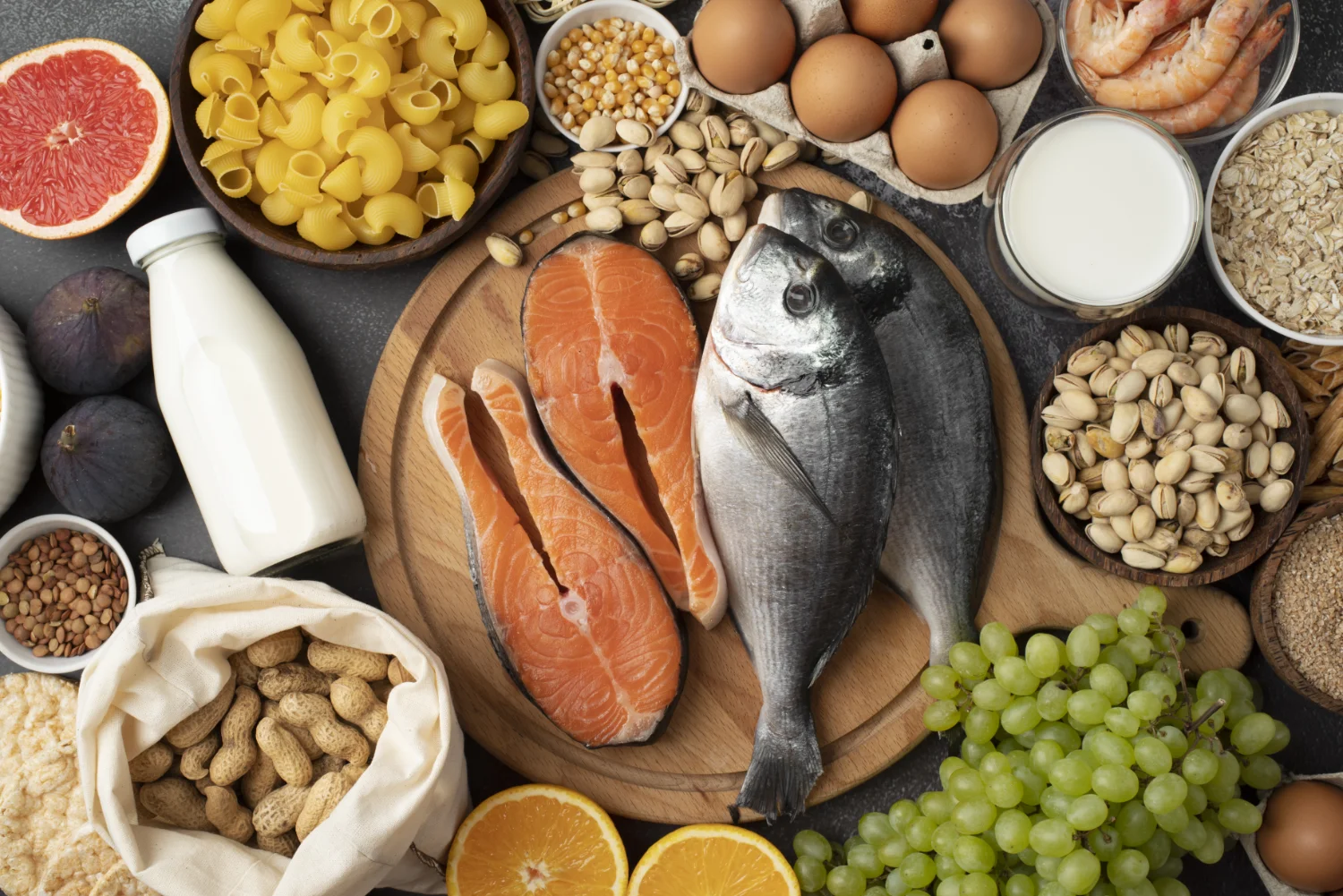
When building a zinc-rich diet, we must find foods that are both healthy and high in zinc. Red meat is very rich in zinc — a 100 g serving of raw ground beef contains about 4.8 mg of zinc, or 44–60% of the daily suggested value. However, eating too much red meat can raise cholesterol and cardiovascular risk, so a balanced diet is key.

Shellfish are another excellent option — low in calories and high in zinc. Six oysters alone contain about 33 mg of zinc, roughly 300% of the daily suggested value. Legumes such as chickpeas, lentils, and beans are also very rich in zinc: 100 g of cooked lentils provides 12–16% of the daily suggested value. Unrefined cereals and legumes are ideal because they effectively bind zinc in the body, improving absorption.
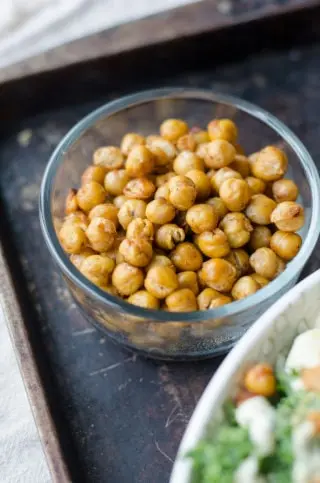
Seeds are particularly rich in zinc — hemp, pumpkin, squash, and sesame seeds all qualify — and are essential in a healthy diet for their fiber, healthy fats, and micronutrients. Nuts like cashews, pine nuts, and almonds also provide meaningful amounts of zinc.

Eggs contain zinc as well — one large egg provides 5–7% of the daily suggested value. Whole grains such as wheat, rice, quinoa, and oats also contribute to zinc intake and are easy staples to add to your daily meals.

Finally, dark chocolate contains a respectable amount of zinc: 100 g provides 30–40% of the daily suggested value — a satisfying way to round out a zinc-rich diet.

Vitamin B17 + Zinc
As mentioned above, zinc has been found to be the main transportation vehicle of Vitamin B17 throughout the body. This discovery led to a formula that increases both absorption and efficiency of Vitamin B17, while simultaneously delivering an essential daily mineral. The combination supports a full absorption of a powerful antioxidant, improved immune health, and overall wellness through consistent zinc intake.
The daily minimum suggested amount of zinc is 11 mg for men and 8 mg for women. Our B17 + Zinc formula includes 36 mg of zinc sulfate — fulfilling the daily zinc requirement — alongside 450 mg of Vitamin B17 (Amygdalin).
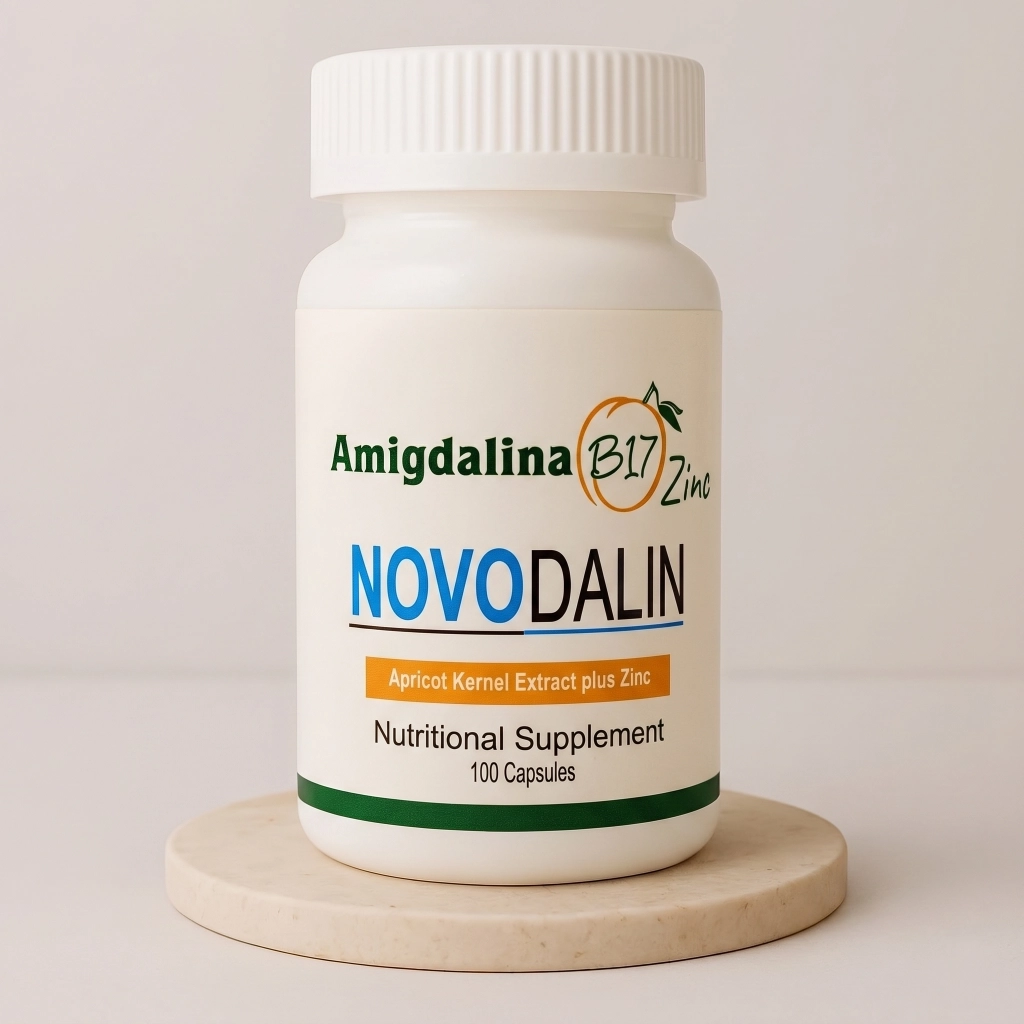
Vitamin B17 + Zinc Capsules
Amygdalin per capsule: 450 mg
Zinc sulfate per capsule: 36 mg
Suggested use: 1–2 capsules daily with food
Manufacturer: Novodalin — GMP Certified
View Product →The suggested use for B17 + Zinc capsules is 1 to 2 capsules per day with food, per the product label. Just one capsule per day provides your full daily zinc intake while delivering a meaningful dose of Vitamin B17. Together they improve immune system health, deliver antioxidant support, and promote overall wellness.
As with any supplement, we encourage you to speak with your doctor before adding Vitamin B17 to your diet. If you are ready to get started, explore our full range of amygdalin products.
Ready to Try Vitamin B17 + Zinc?
450 mg Amygdalin + 36 mg Zinc Sulfate per capsule — authentic Novodalin formula, GMP Certified, ships next business day.
As with any supplement, consult your doctor before making changes to your regimen. The information on this page is for educational purposes only and is not intended to substitute for professional medical advice.
Sources
(1) Wessels I, Maywald M, Rink L. "Zinc as a Gatekeeper of Immune Function." Nutrients 2017, 9, 1286. pubmed.ncbi.nlm.nih.gov/29186856/
(2) "10 Best Foods to Boost Your Zinc Intake." Healthline, 26 Jan. 2024. healthline.com/nutrition/best-foods-high-in-zinc
(3) "Office of Dietary Supplements — Zinc." NIH Office of Dietary Supplements, U.S. Department of Health and Human Services. ods.od.nih.gov/factsheets/Zinc-HealthProfessional/