The Apricot Fruit — Prunus armeniaca L.
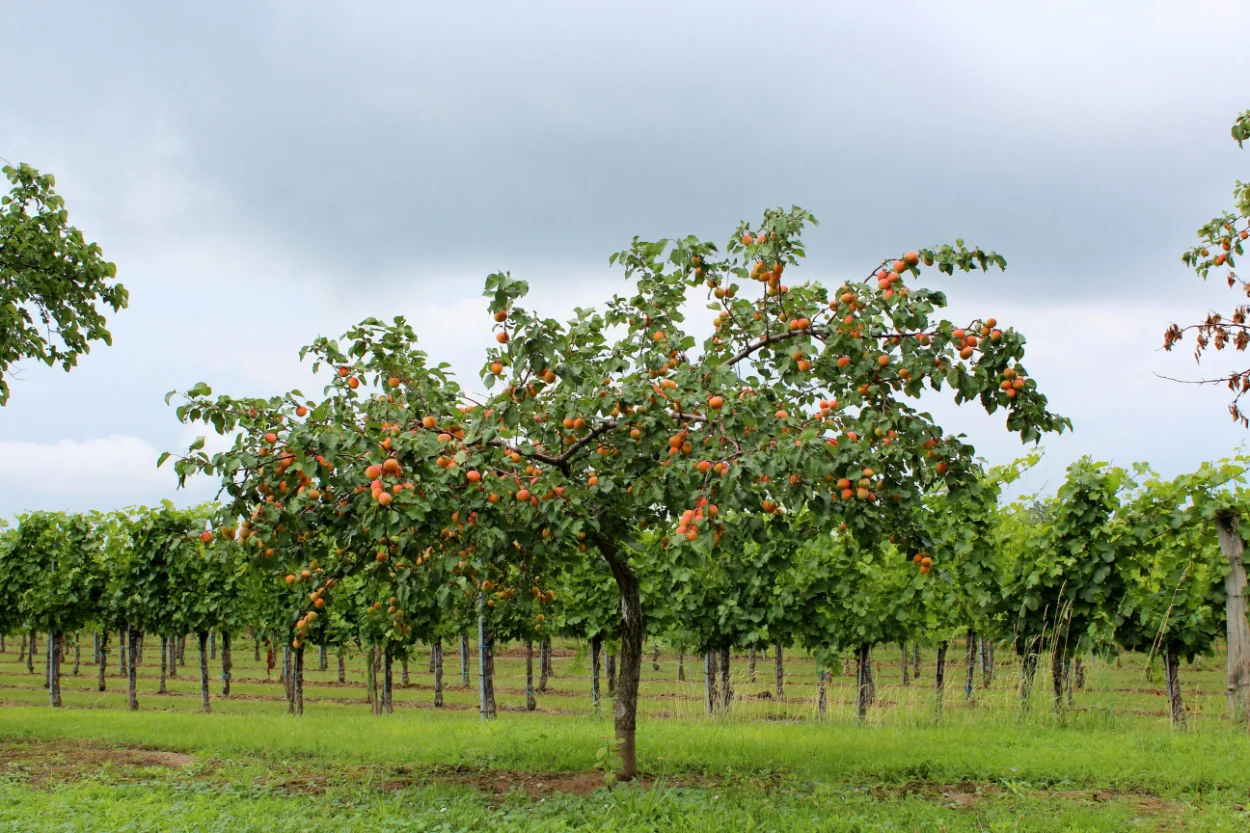
Apricots (Prunus armeniaca L.) originate from China and were later introduced throughout Central Asia. Today they are consumed globally. Turkey is the world's leading producer, accounting for approximately 22.9% of fresh apricots and 68% of dried apricots worldwide. Total world production reaches around 2.6 million tonnes annually.
Climate plays a central role in apricot quality. Light intensity, temperature and water availability all affect the antioxidant content of the fruit and the bioavailability of its nutrients. As a dietary food, apricots are notable for being low in calories while offering a broad nutritional profile: fat, fibre, Vitamin A, Vitamin C, Vitamin E, potassium, and a range of antioxidant compounds.
Among these, flavonoids stand out as particularly potent antioxidants. They are found in high concentrations in apricots and are considered important in supporting the body's defence against oxidative stress — a condition linked to cellular damage and inflammation. Potassium is also a significant component, supporting normal blood pressure regulation.
Types of Apricot Kernels
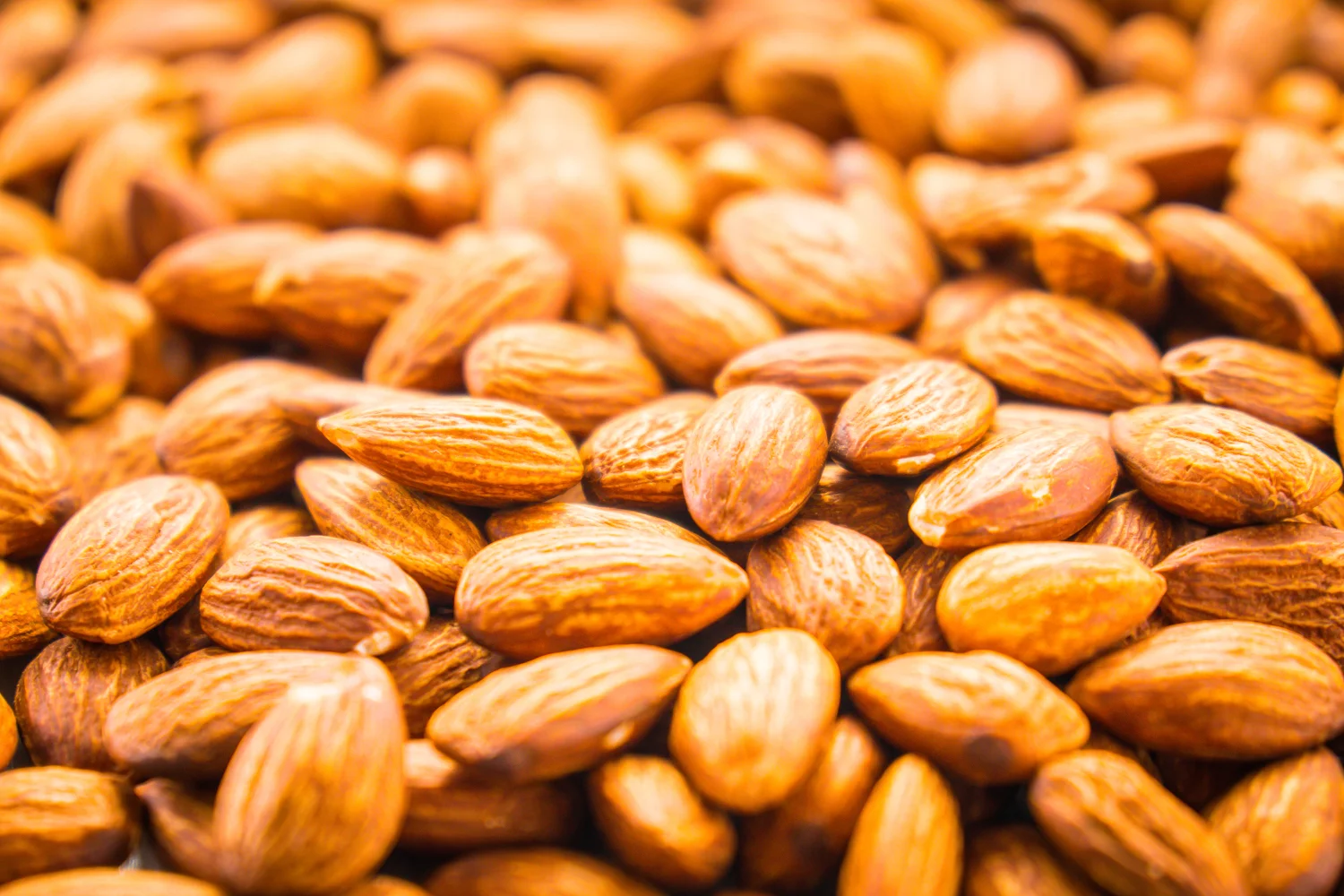
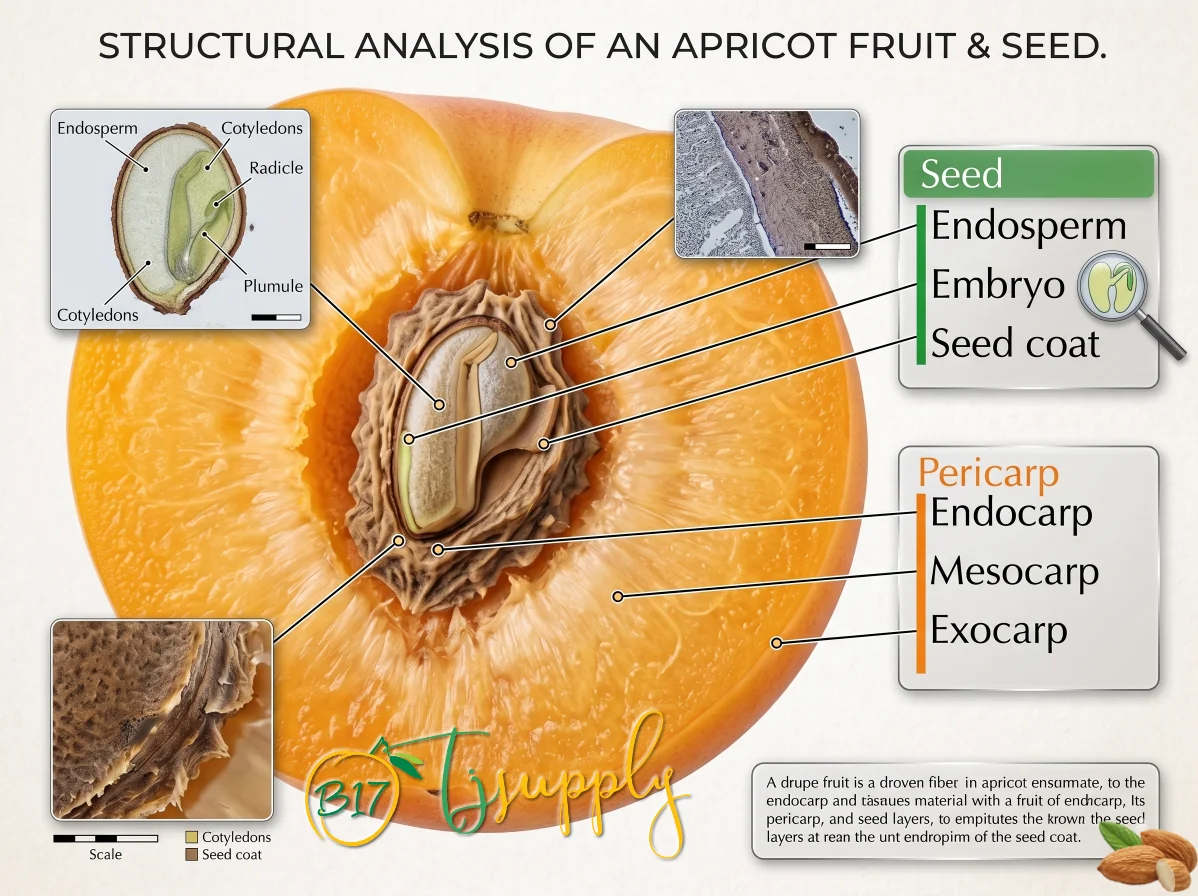
The apricot kernel — the seed found inside the fruit's stone — is itself a significant source of proteins and vitamins. Kernels can be classified in several ways: by taste (bitter vs sweet), geographic origin, size and shape, chemical composition, and culinary or industrial use. The five most commonly referenced types are:
Wild Bitter Apricot Kernels
Sourced from apricot trees growing in mountainous areas. Smaller in size with an intense, pronounced bitterness. Higher amygdalin concentration due to wild growing conditions.
Cultivated Bitter Apricot Kernels
Grown commercially for sale and distribution. Larger and softer than wild varieties, and slightly less bitter, but still retain significant amygdalin content.
Roasted Bitter Apricot Kernels
Processed through a roasting stage to reduce bitterness and improve digestibility. The heat treatment alters some bioactive compound concentrations.
Powdered Bitter Apricot Kernels
Ground into a fine powder for use in cooking, food production, or as a dietary supplement ingredient. Convenient form for consistent dosing.
Chinese Bitter Apricot Kernels
A specific variety traditionally used in Chinese medicine, known as Ku Xing Ren. Long-standing use in traditional practices for respiratory and digestive applications.
Nutritional Composition
Apricot kernels are nutritionally dense. Protein accounts for 14.6 to 27% of kernel dry weight, and the kernel is considered a source of all essential amino acids — those the human body cannot synthesise independently. Key amino acids present include lysine, tryptophan, phenylalanine, methionine, threonine, isoleucine, leucine and valine.
The most abundant component by weight is the kernel oil, which accounts for approximately 50% of dry matter content. This oil is dominated by oleic acid (54.1—61.91 g per 100g) and linoleic acid (25.13—35.81 g per 100g), alongside saturated fatty acids including palmitic acid and stearic acid. Like the whole kernel, the oil carries antioxidant and antimicrobial properties.
Fibre is also present in significant quantities (11.85—13.6 g per 100g), contributing positively to gut health and digestive function.
Composition of Apricot Kernel Seeds (per 100 g)
The following table summarises the major components found in apricot kernel seeds based on published literature review data.
| Composition | Amount per 100 g |
|---|---|
| Protein content | 14.6—27.1 g |
| Carbohydrate | 17.5—35.6 g |
| Vitamin E | 0.003—0.040 g |
| Vitamin B17 (Amygdalin) | 0.003—0.0058 g |
| Crude fibre | 11.85—13.6 g |
| Crude fat | 2.1—3 g |
| Oleic acid | 54.1—61.91 g |
| Linoleic acid | 25.13—35.81 g |
| Palmitic acid | 1.58—2.27 g |
| Gallic acid | 2.1—4.1 g |
| Flavonoid content | 0.012—0.034 g |
| Total phenol content | 0.036—0.072 g |
| Carotenoid content | 0.005—0.012 g |
| Ascorbic acid | 0.010—0.022 g |
| Caffeic acid | 1.01—2.5 g |
| Moisture content | 27.4—38.8 g |
Source: Alajil et al., Food Anal. Methods 2022 — composition based on literature review.
Bioactive Compounds — Polyphenols & Flavonoids
The bioactive profile of apricot kernels falls into three main categories: polyphenols, flavonoids, and nutritional components. Both polyphenols and flavonoids are natural plant compounds with antioxidant properties that help neutralise free radicals — unstable molecules that can damage cells and contribute to oxidative stress.
Gallic acid and caffeic acid — two of the polyphenols found in apricot kernels — have been used in preparing medicines for cardiovascular conditions, anti-asthmatic treatment, sedatives and laxatives. Quercetin and catechin (flavonoids) are particularly studied for their free-radical scavenging activity.
Traditional & Reported Uses
Apricot kernels have a documented history in traditional medicine across multiple cultures. In traditional Chinese medicine, the kernel (known as Ku Xing Ren) has historically been used for hydration, detoxification, and alleviating respiratory discomfort.
Beyond traditional applications, apricot kernels have attracted interest in the pharmaceutical and cosmetic industries due to their identified bioactive compounds:
- Antioxidant activity: Polyphenols and flavonoids help combat oxidative stress by neutralising free radicals.
- Antimicrobial properties: The kernel oil has demonstrated antimicrobial activity in several studies.
- Cosmetic applications: Used in formulations targeting skin hydration, acne, and dandruff due to anti-inflammatory and antimicrobial properties.
- Fibre contribution: The high fibre content supports gut health and digestive regularity.
- Kernel oil production: The oil extracted from apricot kernels is used in food production, cosmetics, and as a carrier oil.
Vitamin B17 — Amygdalin in Bitter Apricot Kernels
One of the most studied components of bitter apricot kernels is amygdalin — a naturally occurring compound also referred to as laetrile and Vitamin B17. Amygdalin is classified as a dietary supplement and is found in the seeds of many stone fruits, with bitter apricot kernels among the richest natural sources.
A key research finding is that bitter kernels contain significantly higher amygdalin concentrations than sweet kernels. This difference in concentration is the primary reason why laboratories and manufacturers that produce amygdalin supplements select bitter varieties specifically — higher amygdalin content allows for a more potent and purer extract. List of foods high in vitamin b17
The pharmaceutical interest in amygdalin has a long history. Notably, the same researchers who identified amygdalin also isolated pangamic acid (Vitamin B15) from the same bitter apricot kernel source in the 1950s. The National Cancer Institute (NCI) brought amygdalin to wider public attention in the 1980s. Current scientific consensus holds that there is insufficient clinical evidence to support amygdalin as a treatment for any disease, and it is marketed and sold strictly as a dietary supplement.
TJ Supply's manufacturer Novodalin selects raw bitter apricot kernels specifically for their higher amygdalin content. Every batch is verified at ≥98% purity by HPLC analysis, following the original extraction method developed by Products are sold as dietary supplements only.
Shop Authentic Novodalin B17 Supplements
TJ Supply distributes the complete line of Novodalin amygdalin products — tablets, capsules, injectable, and topical formulations — all extracted from raw bitter apricot kernels at ≥98% purity.
References
- Healthline. Apricots: Nutrition Facts and Health Benefits. Available at: healthline.com
- Alajil, O. et al. Apricot Kernel: Bioactivity, Characterization, Applications, and Health Attributes. Food Anal. Methods 2022, 15, 1—11.
- Extraction and Determination of Amygdaline in Iraqi Plant Seeds Using the Combined Simple Extraction Procedure and High-Performance Liquid Chromatography.
- Apricots: Biochemistry and Functional Properties.
- Apricot Kernel: Physical and Chemical Properties.
- Chemical Characterization of Apricot Kernel: Nutraceutical Composition, Amino Acid, and Fatty Acid Profile.
- PMC — PubMed Central. Available at: pmc.ncbi.nlm.nih.gov
- Jaafar, H.J. Effects of Apricot and Apricot Kernels on Human Health and Nutrition: A Review of Recent Human Research. Tech. Biochem. 2021, 2, 139—162.
- Alajil, O.; Sagar, V.R.; Kaur, C. et al. Chemical Characterization of Apricot Kernel: Nutraceutical Composition, Amino Acid, and Fatty Acid Profile. Food Anal. Methods 2022, 15, 1—11.
- Saini, D.; Rawat, N.; Negi, T. et al. Utilization, valorization and functional properties of wild apricot kernels. J. Pharmacogn. Phytochem. 2021, 10, 119—126.
- Juhaimi, F.; Özcan, M.M.; Ghafoor, K.; Babiker, E.E. The effect of microwave roasting on bioactive compounds, antioxidant activity and fatty acid composition of apricot kernel and oils. Food Chem. 2018, 243, 414—419.
- Caetano-Silva, M.E.; Netto, F.M. et al. Peptide-metal complexes: Obtention and role in increasing bioavailability and decreasing the pro-oxidant effect of minerals. Crit. Rev. Food Sci. Nutr. 2021, 61, 1470—1489.
- Janković, B.; Manić, N. et al. Physico-chemical characterization of carbonized apricot kernel shell as precursor for activated carbon preparation. J. Clean. Prod. 2019, 236, 117614.
- Sharif, M.N.; Warriach, A.R. et al. Proximate Composition of Apricot (Prunus armeniaca) Fruit and Kernel. Am. Eurasian J. Agric. Environ. Sci. 2015, 15, 2109—2112.
- Wani, S.; Jan, N. et al. Optimization of antioxidant activity and total polyphenols of dried apricot fruit extracts using response surface methodology. J. Saudi Soc. Agric. Sci. 2017, 16, 119—126.
- Wen, X.; Jin, F.; Regenstein, J.M.; Wang, F. Transglutaminase induced gels using bitter apricot kernel protein. Food Biosci. 2018, 26, 15—22.
- Ahmed, E.; Amin, A.; Zoltán, S.; Holb, I.J. Salicylic acid treatment saves quality and enhances antioxidant properties of apricot fruit. Hortic. Sci. 2017, 44, 73—81.
- Faieta, M.; Neri, L. et al. High hydrostatic pressure treatment of Arthrospira (Spirulina) platensis extracts. Innov. Food Sci. Emerg. Technol. 2021, 70, 102693.
- Al-Bachir, M. Compositions and microbial properties of gamma irradiated apricot (Prunus armeniaca L.) kernel. J. Stress Physiol. Biochem. 2021, 17, 79—87.
- Matthäus, B.; Özcan, M.M.; AL Juhaimi, F. Fatty acid composition and tocopherol content of the kernel oil from apricot varieties. Eur. Food Res. Technol. 2016, 242, 221—226.
- Sharma, A.; Kshetrimayum, C. et al. Arsenic-induced oxidative stress and its amelioration by antioxidants Vitamin E and Coenzyme Q10. Environ. Sci. Pollut. Res. 2018, 25, 23946—23953.
- Çelik, Y.H.; Yalcin, R. et al. Characterization of hazelnut, pistachio, and apricot kernel shell particles. J. Nat. Fibers 2021, 18, 1054—1068.
- Beyer, R.; Melton, L.D. Composition of New Zealand apricot kernels. N. Z. J. Crop Hortic. Sci. 1990, 18, 39—42.
- Shariatifar, N.; Pourfard, I.M. et al. Mineral Composition, Physicochemical Properties and Fatty Acids Profile of Prunus armeniaca Apricot Seed Oil. Asian J. Chem. 2017, 29, 2011—2015.
- Chatterjee, S.M. Effect of Avocado on Cancer Cell Immunotherapy and Vitamin-B17. World J. Pharm. Res. 2021, 10, 2461—2469.
- Anwar, F.; Manzoor, M. et al. Physico-chemical characteristics of seed oils extracted from different apricot (Prunus armeniaca L.) varieties from Pakistan. Grasas Aceites 2012, 63, 193—201.
- Čakarević, J.; Vidović, S. et al. Production of BioFunctional Protein through Revalorization of Apricot Kernel Cake. Foods 2019, 8, 318.
- Zhang, R.; Zeng, Q. et al. Phenolic profiles and antioxidant activity of litchi pulp of different cultivars cultivated in Southern China. Food Chem. 2013, 136, 1169—1176.
- Yao, J.-L.; Zhang, Q.-A.; Liu, M.-J. Utilization of apricot kernel skins by ultrasonic treatment of the dough. LWT 2021, 145, 111545.
- Cheaib, D.; El Darra, N. et al. Study of the selectivity and bioactivity of polyphenols using infrared assisted extraction from apricot pomace. Antioxidants 2018, 7, 174.
- Rampáčková, E.; Göttingerov—, M. et al. Evaluation of Protein and Antioxidant Content in Apricot Kernels as a Sustainable Additional Source of Nutrition. Sustainability 2021, 13, 4742.