There's a moment in every dietary supplement distributor's operation when HPLC results come back below specification. It doesn't happen often — when sourcing comes from established manufacturers operating under documented quality systems, the failure rate is genuinely low — but when it does, what happens next reveals everything about the distributor's standards.
At TJ Supply, our standard has been ≥98% amygdalin purity since we opened our doors in 2001. This article explains how that threshold is verified through HPLC testing, what GMP certification under 21 CFR Part 111 actually means in practice, and why these standards matter for anyone purchasing Vitamin B17 / Amygdalin supplements.
Reading this won't make you a chemist. But it will give you the framework to evaluate quality claims from any Vitamin B17 supplier — including us.
The Four Pillars of Vitamin B17 Quality Control
Legitimate quality control for Vitamin B17 / Amygdalin supplements rests on four interconnected systems. Each one alone is insufficient; together they form a verifiable chain of evidence from raw material to finished bottle.
- HPLC verification — measuring active compound purity
- GMP manufacturing — controlling how the product is made
- Raw material authentication — confirming the source botanical
- Lot traceability — connecting every bottle to its documentation
What follows is an honest walkthrough of each pillar — what it actually involves, why it matters, and what red flags to look for when evaluating any Vitamin B17 supplement on the market today.
Pillar 1: HPLC Verification — What ≥98% Actually Means
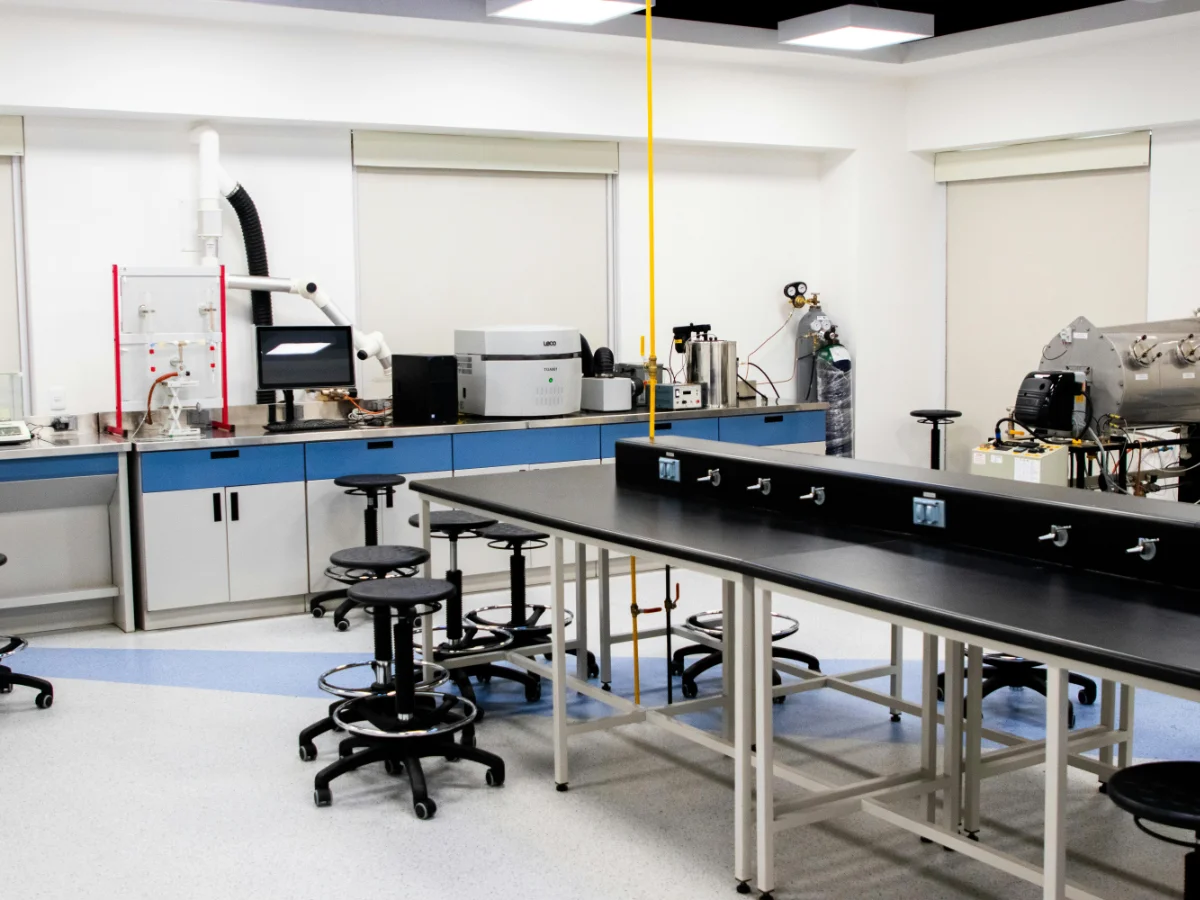
High-Performance Liquid Chromatography (HPLC) is the analytical technique used to measure the concentration of specific compounds in a sample. For Vitamin B17 / Amygdalin supplements, it's the gold standard for verifying that what's on the label is actually what's in the bottle.
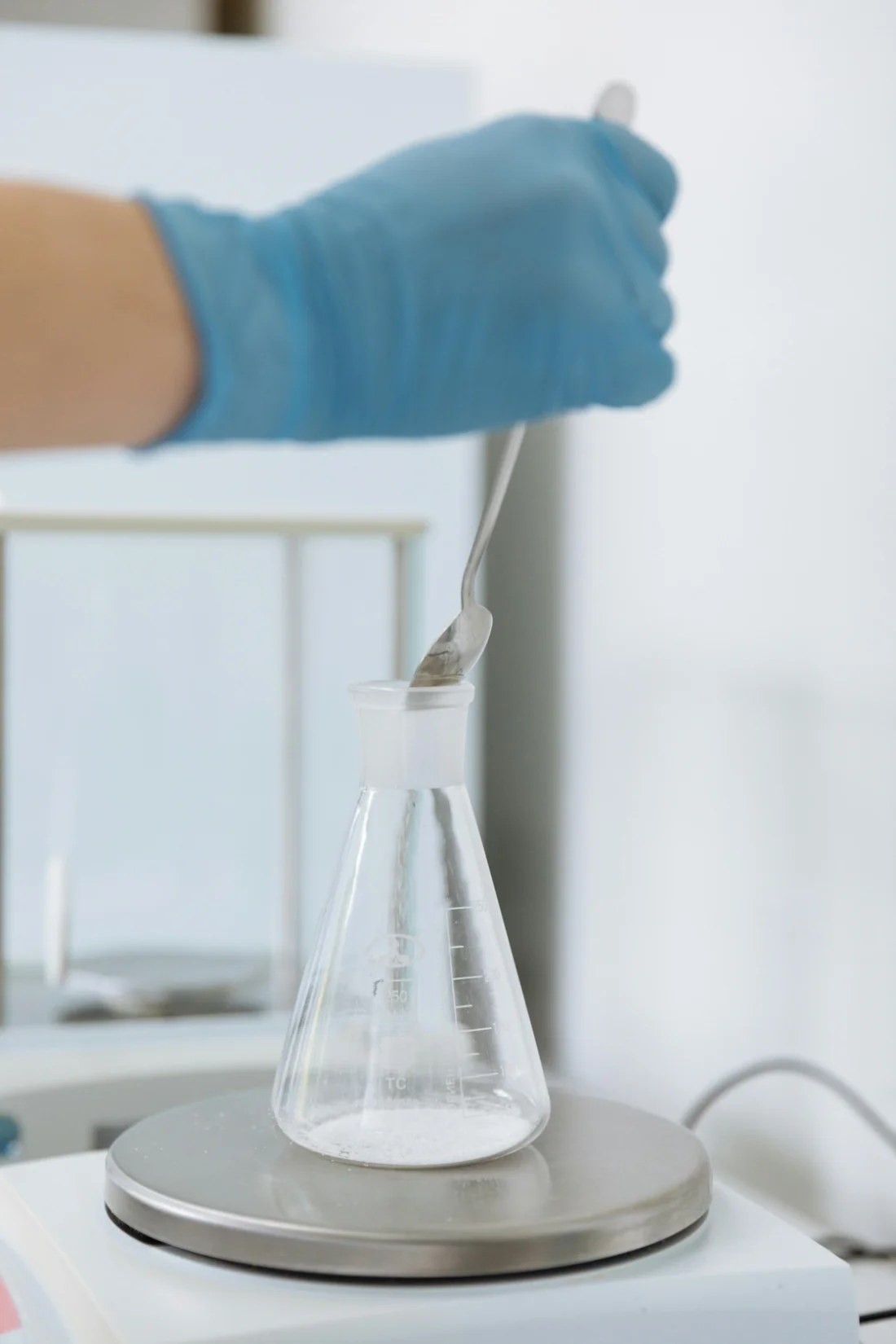
Here's how it works in plain terms: a small sample of finished product is dissolved in a solvent and passed through a chromatographic column under high pressure. Different compounds in the sample travel through the column at different rates, separating into distinct peaks on a detector. The amygdalin peak is identified by its retention time (when it exits the column) and quantified by the area under its peak. Comparing this against a calibrated reference standard gives you the exact percentage of amygdalin in the product.
Why 98% specifically?
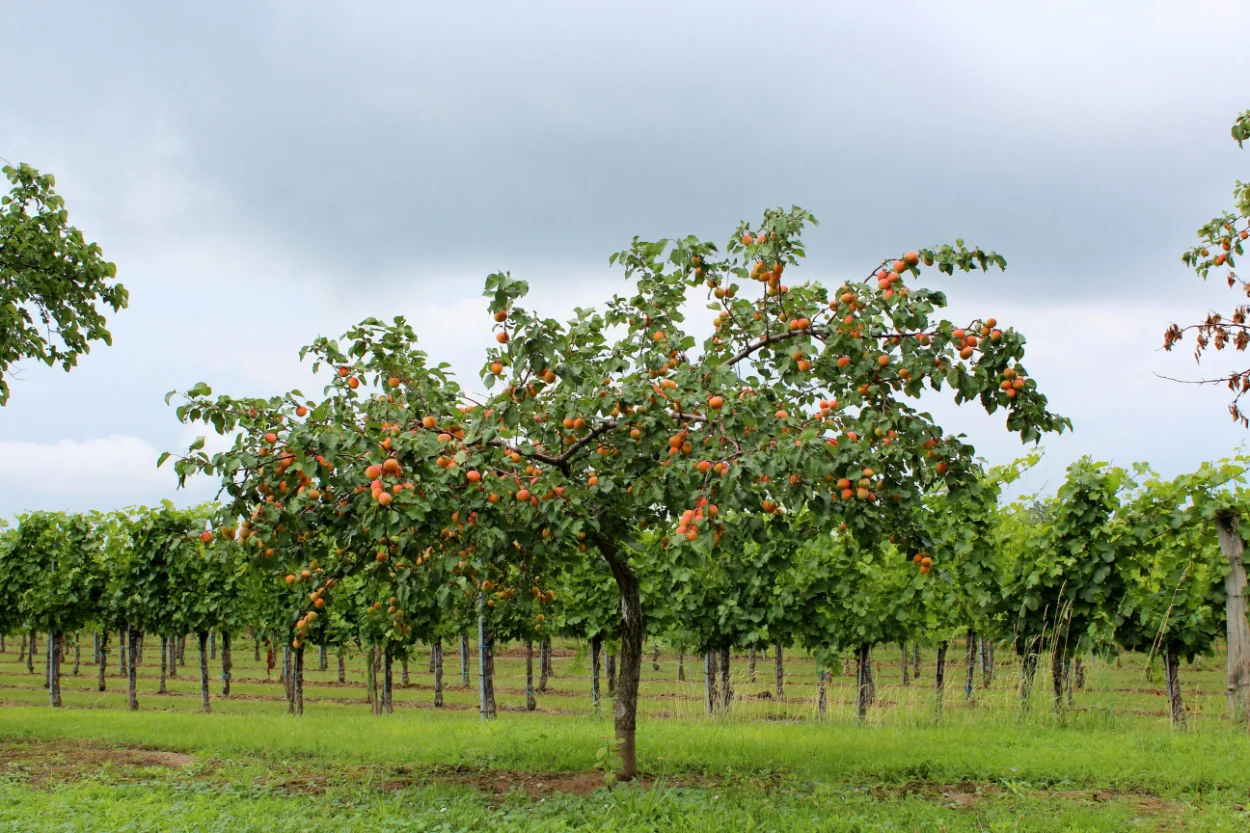
The 98% threshold isn't arbitrary. Pure amygdalin in laboratory settings can reach 99%+, but commercial-scale extraction from bitter apricot kernels (Prunus armeniaca var. amara) consistently producing finished tablets and capsules at ≥98% represents the practical ceiling of high-quality manufacturing. Anything significantly higher is either lab-only or potentially misrepresented. Anything significantly lower means the product contains more residual compounds or impurities than the active ingredient claim implies.
What an HPLC chromatogram actually shows
A legitimate Vitamin B17 chromatogram contains several pieces of information that together constitute the quality record:
- The amygdalin peak with its retention time matching the reference standard
- Peak area integration showing the calculated percentage
- Any secondary peaks that represent related compounds (prunasin, mandelonitrile, or degradation products) — these should be minimal
- Method documentation including the column type, mobile phase, detector wavelength, and injection volume
- Sample identification linking the test to a specific manufacturing lot
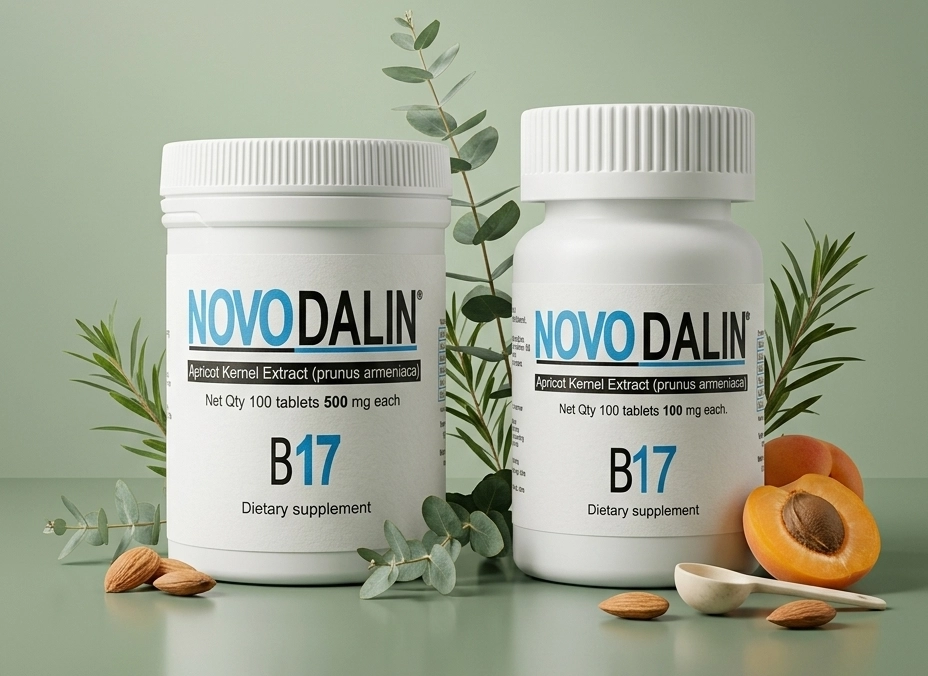
When a chromatogram shows the amygdalin peak at ≥98% with clean baseline separation and no significant secondary peaks, that's the documentation that becomes part of the lot record. Every Novodalin Vitamin B17 batch distributed by TJ Supply has this documentation archived with its lot number.
Pillar 2: GMP Manufacturing Under 21 CFR Part 111
GMP — Good Manufacturing Practices — is the regulatory framework that governs how dietary supplements must be produced in the United States. For supplements specifically, the relevant regulation is 21 CFR Part 111, which the FDA enforces through facility inspections and recordkeeping requirements.
21 CFR Part 111 is dense regulatory text, but its practical requirements break down into seven operational categories:
| Requirement | What It Means in Practice |
|---|---|
| Facility design | Physical separation of incoming materials, processing, and finished products. Air filtration. Pest control. Documented cleaning schedules. |
| Personnel training | Every worker handling product or equipment must be trained on specific procedures, with training records on file. |
| Equipment calibration | Scales, mixers, and analytical instruments verified on documented schedules against known standards. |
| Raw material verification | Incoming botanical material identified, tested for contamination, and quarantined until released. |
| In-process controls | Sampling and testing at multiple points during manufacturing — not just at the end. |
| Finished product testing | Every batch tested for identity, purity, strength, and composition before release. This is where HPLC happens. |
| Batch record retention | Complete documentation of every step retained for a minimum of one year past the product's expiration date. |
What GMP certification doesn't mean: it doesn't mean a product is "FDA approved." Dietary supplements are not approved by the FDA. What it means is that the facility manufacturing the product follows documented procedures that the FDA can audit at any time, and that the manufacturer has accepted regulatory responsibility for compliance.
Novodalin Vitamin B17 manufacturing operates under 21 CFR Part 111 across all formats — oral tablets, capsules, topical creams, and the sterile Amygdalin injectable (the last of which carries additional sterile manufacturing requirements). Learn more about our complete extraction and manufacturing process.
Pillar 3: Raw Material Authentication
This is where many supplement quality problems originate — not in the lab, but at the beginning of the supply chain. The wrong botanical material, or contaminated material, can defeat every downstream quality control measure.
For Vitamin B17 / Amygdalin specifically, raw material authentication has three components:
Botanical identification
Authentic Vitamin B17 supplements come from bitter apricot kernels — specifically Prunus armeniaca var. amara. Sweet apricot kernels (var. dulcis), commonly available in grocery stores and used in confectionery, contain 30 to 50 times less amygdalin than bitter kernels. Using sweet kernels would require massively larger quantities of raw material and would still produce a vastly inferior product.
Botanical authentication can be done through:
- Macroscopic inspection — bitter kernels have distinct visual characteristics
- Sensory verification — bitter kernels have a pronounced bitter taste (from the amygdalin itself)
- Microscopic examination — confirming cellular structure
- DNA testing — for absolute confirmation when needed
Contamination screening
Raw botanical material can carry contamination from agricultural practices, transport, or storage. Standard screening covers:
- Heavy metals (lead, mercury, arsenic, cadmium)
- Pesticide residues
- Microbial contamination (yeast, mold, bacteria)
- Aflatoxins (from improper storage)
- Foreign matter
Moisture and amygdalin content pre-extraction
Before the kernels enter the extraction process, raw amygdalin content is measured to determine yield expectations, and moisture content is verified to ensure the material is within acceptable ranges. Improperly dried kernels can affect both yield and downstream stability.
Pillar 4: Lot Traceability
The connecting thread that makes the other three pillars meaningful is lot traceability. Every bottle of Novodalin Vitamin B17 distributed by TJ Supply carries a lot number printed on the label. That lot number connects the bottle to:
- The specific batch of finished product it came from
- The HPLC chromatogram for that batch
- The raw material lot that supplied that batch
- The manufacturing date and personnel records
- The quality release documentation
This means that if a customer or healthcare practitioner ever has a question about a specific bottle they purchased, the documentation exists and can be referenced. If you'd like to verify the HPLC documentation for a specific lot you own, contact us at b17@tjsupply.com with your order number and the lot number.
What Happens When a Lot Doesn't Meet Spec
Now the harder question: what happens when, despite all the upstream controls, a lot's HPLC results come back below specification?
The industry-standard response — and the one followed in Novodalin's supply chain — involves three steps:
Step 1: Investigation
The first response to a failed HPLC result is not destruction; it's investigation. A retest is performed using a fresh sample from the same lot, often by a different analyst or sometimes by a third-party laboratory. The original chromatogram is reviewed for method validity. The raw material records are re-examined. The goal is to identify whether the failure represents a real product issue or a testing anomaly.
Step 2: Disposition decision
If the failure is confirmed, the lot must be disposed of in a way that ensures it cannot reach customers. Industry-standard disposition options include:
- Destruction — the lot is destroyed under documented procedures, with witnessed disposal and certificates of destruction retained in records
- Return to manufacturer — the lot is returned to the manufacturing facility for investigation, with full traceability of the return shipment
- Reprocessing — in some cases, a lot may be reprocessed if the failure mode permits it and the reprocessing is documented as part of the master batch record
What is never appropriate is selling failed product, even at discount, even with "as-is" language, even to wholesale channels. A failed lot is a failed lot. This is the standard a serious distributor maintains.
Step 3: Root cause analysis
Beyond handling the failed lot itself, a quality system requires understanding why the failure occurred — to prevent recurrence. Was it a raw material issue? An extraction process variation? An environmental factor? A storage condition? The investigation results become part of the quality management system's continuous improvement records.
What to look for in any Vitamin B17 supplement
- HPLC ≥98% purity verified per batch, with documentation available on request
- GMP certification under 21 CFR Part 111 — confirmable through the manufacturer
- Botanical source clearly identified as bitter apricot kernels (Prunus armeniaca var. amara)
- Lot number on every bottle with traceability back to documentation
- Manufacturer transparency about where and how the product is made
- Established supplier history — at least 10 years in market suggests sustained quality systems
Why These Standards Matter for Your Decision
The Vitamin B17 / Amygdalin supplement market has wide variation in quality. Some products are produced under rigorous standards like the ones described here. Others are sourced from anonymous suppliers, with marketing claims unsupported by documentation. The difference is invisible from a website or an Amazon listing — but it's not invisible from the documentation a serious supplier can produce.
If you're researching Vitamin B17 supplements for personal use, for a family member, or as a healthcare practitioner evaluating products for patients, the questions to ask any supplier are simple:
- Can you show me the HPLC documentation for a specific lot?
- Who manufactures this product, and where?
- What is your raw material source?
- How long have you been distributing this product?
- If I have an issue with a specific bottle, how do I trace it back to documentation?
A supplier who cannot answer these questions clearly is one whose quality claims you cannot verify.
The TJ Supply Standard
Every bottle of Novodalin Vitamin B17 / Amygdalin distributed by TJ Supply since 2001 has met the standards described in this article. Our manufacturer relationship with Novodalin gives us direct access to manufacturing records, HPLC documentation, and quality investigation records. Our 25-year operational continuity means the customers who purchased from us in 2005 received product manufactured under the same verified system as the customers who order today.
This isn't a unique approach. It's how any serious dietary supplement operation should work. What makes it worth writing about is that not every supplement supplier actually does it — and customers researching products often have no way to tell the difference until they ask the right questions.
Now you know what to ask.
Questions About a Specific Lot?
If you've purchased Novodalin Vitamin B17 / Amygdalin and want to verify the HPLC documentation for your specific lot, our team can help. Real people, real records, no scripts.
Email Our Team Read Our Promise