Natural Compound Spotlight · 01 of 08

What Is Amygdalin?

A naturally occurring plant compound — the source material behind "Vitamin B17" — found concentrated in the kernels of stone fruits.

C₂₀H₂₇NO₁₁  ·  MW 457.43 g/mol

What is it?

A Cyanogenic Glycoside From Stone-Fruit Seeds

Amygdalin is a naturally occurring cyanogenic glycoside — a plant compound built from two glucose molecules joined to benzaldehyde and a cyanide group. First isolated from bitter almonds in 1830, it is best known today as the source material behind "Laetrile" or "Vitamin B17" (it is not an actual vitamin).

What it is

A cyanogenic glycoside — a naturally occurring plant compound formed when a sugar molecule bonds with a nitrogen-containing group.

Where it comes from

Concentrated in the kernels of stone fruits in the Rosaceae plant family, particularly in bitter apricot seeds — the richest natural source.

Classification

Secondary plant metabolite. Also called Vitamin B17, Laetrile, or amygdalin depending on form and context.

Available forms

Oral tablets (100 mg, 500 mg) or injectable solution. TJ Supply distributes under the Novodalin® brand since 2001.

Chemical Formula
C₂₀H₂₇NO₁₁

Also known as
Laetrile  ·  "Vitamin B17"
Molecular Weight: 457.43 g/mol

1830First isolated
RosaceaePlant family
DiglucosideSugar type
≥98% purityNovodalin®

Production Process

From Orchard to Powder

How commercial amygdalin is typically obtained from apricots
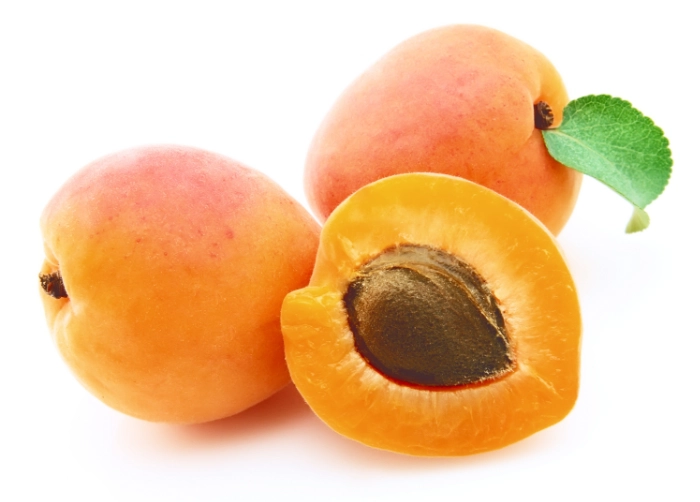
Ripe apricots with one halved showing the pit
01
Apricot

The journey starts with ripe apricots (Prunus armeniaca). Amygdalin sits inside the hard pit at the fruit's core, not in the flesh.
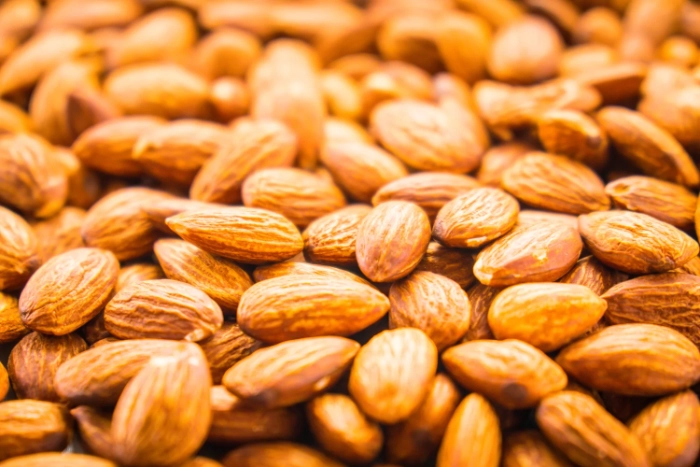
Apricot kernels seeds close-up
02
Apricot Kernel

Cracking the pit reveals the almond-shaped kernel. Apricot kernels are the richest natural source — holding some of the highest amygdalin concentrations of any edible seed.
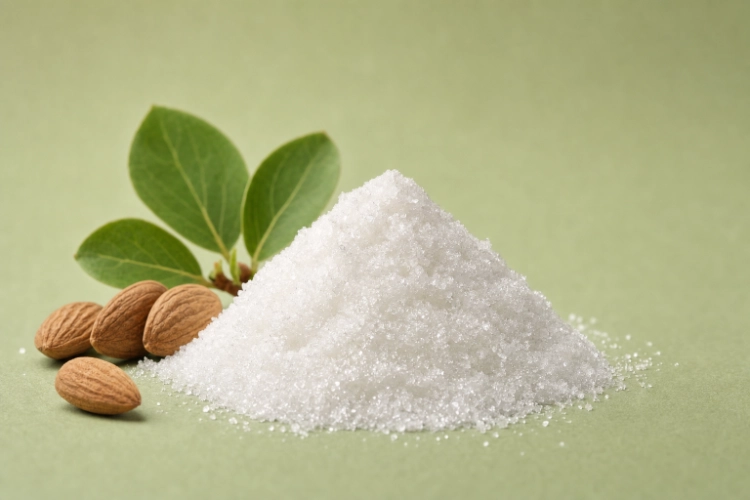
Amygdalin crystalline powder
03
Crystalline Powder

Kernels are crushed and processed to extract and purify amygdalin, yielding a fine white crystalline powder used in supplements, tablets, or injectable solutions.

Natural Sources

Also Found in Other Stone-Fruit Seeds

Amygdalin concentration varies significantly by species. Apricot kernels and bitter almonds contain the highest amounts of any commonly available food source.

Bitter almonds
up to 29 g/kg
Apricot kernels
up to 14 g/kg
Plum kernels
4–17.5 g/kg
Peach kernels
~6.8 g/kg
Cherry pits
2.7–3.9 g/kg
Apple seeds
~3 g/kg

Molecular Structure

Three Key Chemical Groups

C₆H₅ Glc Glc CN OH
Benzaldehyde core
Aromatic center responsible for the characteristic bitter almond scent.
Two glucose units (Glc)
Amygdalin is a diglucoside — distinguishing it from laetrile, which is a semi-synthetic monoglucoside.
Nitrile group (CN)
What classifies it as a cyanogenic glycoside. Released only under enzymatic hydrolysis.

Classification

How Amygdalin Is Classified

1
Plant secondary metabolite Natural

Produced naturally by plants — not synthesized. Found across hundreds of species in the Rosaceae family.

2
Cyanogenic glycoside Biochemical

A sugar bonded to a nitrogen-containing non-sugar group. The nitrile (CN) group defines the "cyanogenic" classification.

3
Diglucoside Structural

Two glucose units attached — distinguishing amygdalin from laetrile, a semi-synthetic monoglucoside used in pharmaceutical contexts.

4
Common names Naming

Vitamin B17 (colloquial), laetrile (semi-synthetic analog), amygdalin (botanical compound), Novodalin® (TJ Supply's standardized brand name).

TJ Supply — Since 2001

Novodalin® Product Line

Pharmaceutical-grade amygdalin standardized by TJ Supply — distributed from San Ysidro, California, with a Certificate of Analysis per lot.

Tablets 100 mg & 500 mg Injectable 3g/10ml (Krebs method) Topical formulations Apricot seeds B15 · Enzymes · Complementary supplements Certificate of Analysis per lot HPLC-verified ≥98% purity GMP certified manufacturing
Important Safety Note

When metabolized, amygdalin releases hydrogen cyanide. Health authorities including the European Food Safety Authority (EFSA) warn that eating raw apricot kernels can cause cyanide poisoning — adults are advised no more than 3 small kernels per day, children none. Amygdalin/Laetrile is not FDA-approved as a cancer treatment.

Sources: PMC / NIH, Wikipedia, Memorial Sloan Kettering Cancer Center, WebMD, European Food Safety Authority (EFSA)

Educational infographic — not medical advice. These statements have not been evaluated by the Food and Drug Administration. This product is not intended to diagnose, treat, cure, or prevent any disease.

Ready to Learn More?

Continue through the series or shop our full Novodalin® product line.