Botanical Series · 07 of 08

Natural Sources of Amygdalin

Amygdalin occurs naturally in the seeds and kernels of dozens of plant species — concentrated almost exclusively within the Rosaceae family. Here's how sources compare.

Primary family: Rosaceae  ·  Primary genus: Prunus

Amygdalin Content

Concentration by Source

Ranked highest to lowest · ranges vary by cultivar, origin, and growing season

1
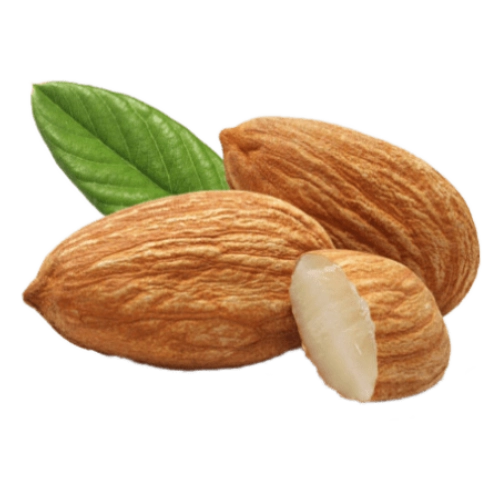
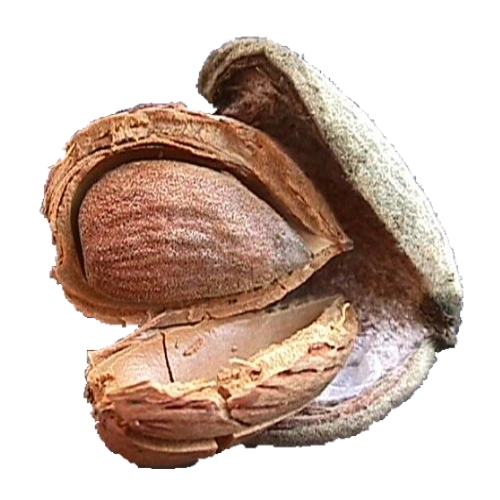
Bitter apricot kernel
Bitter apricot kernel Primary Source
Prunus armeniaca var. amara
3–5% dry wt
Inner cotyledon of stone kernel
2
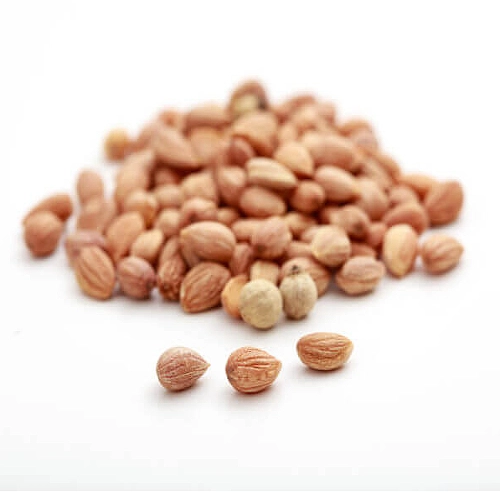
Bitter almond kernel
Bitter almond
Prunus dulcis var. amara
2–4% dry wt
Whole kernel · distinct from sweet almond
3
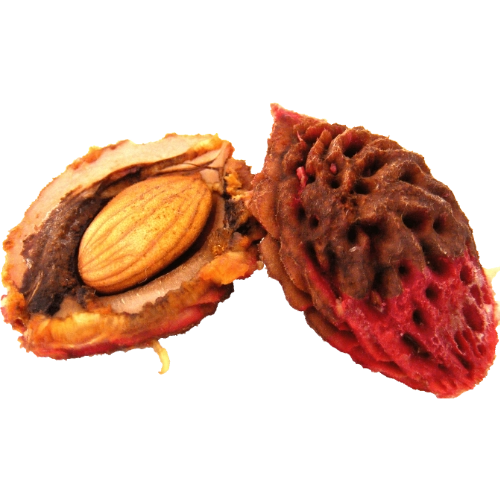
Peach kernel
Peach kernel
Prunus persica
1–3% dry wt
Inner kernel of peach stone
4
Cherry pit kernels
Cherry pit
Prunus avium / P. cerasus
0.5–2% dry wt
Kernel within the stone pit
5
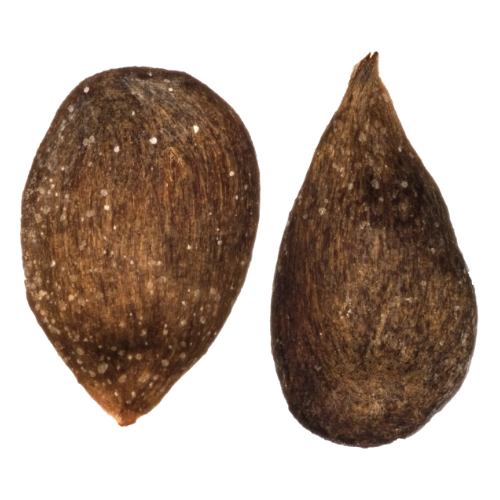
Apple seeds
Apple seeds
Malus domestica
0.1–0.6% dry wt
Seeds from the core
6
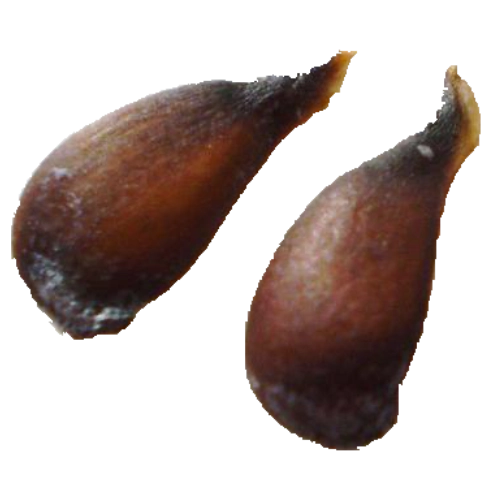
Pear seeds
Pear seeds
Pyrus communis
<0.2% dry wt
Trace quantities only

Botanical Classification

Why Prunus Dominates

The Prunus genus within Rosaceae produces stone fruits whose kernels accumulate amygdalin at far higher concentrations than any other plant group.

Family
Rosaceae
Genus (primary)
Prunus
P. armeniaca
★ Primary
P. dulcis amara
P. persica
P. avium
P. cerasus
P. domestica
Where amygdalin is found
Concentrated in the cotyledon tissue of the kernel
Present in bitter and sweet varieties — much higher in bitter cultivars
Pharmaceutical sourcing: bitter apricot (var. amara) only
Trace amounts also found in the flesh of young apricots
Common misconceptions
Sweet almond flesh — absent in the edible nut
Apricot flesh — the edible part is essentially free of amygdalin
Citrus seeds — not Rosaceae; different chemistry entirely
Tropical fruits (mango, papaya, avocado) — different plant families

Novodalin® sources exclusively from bitter apricot kernels

TJ Supply selects pharmaceutical-grade amygdalin extracted from Prunus armeniaca var. amara — the highest natural concentration available. Every lot is HPLC-verified to ≥98% purity and comes with a Certificate of Analysis. Supplier relationships built over 25+ years in Central Asian and Mediterranean cultivar regions.

Botanical Information Only

Concentration data are approximations that vary by cultivar, growing origin, and season. No medical advice, dosage recommendations, or treatment protocols are made. Amygdalin/Laetrile is not FDA-approved to diagnose, treat, cure, or prevent any disease. Consult a qualified healthcare professional before use.

These statements have not been evaluated by the Food and Drug Administration. This product is not intended to diagnose, treat, cure, or prevent any disease. Concentration ranges sourced from published botanical literature; ranges are approximate.

Continue the Series

Explore more infographics in the Visual Learning Center.